Product Description
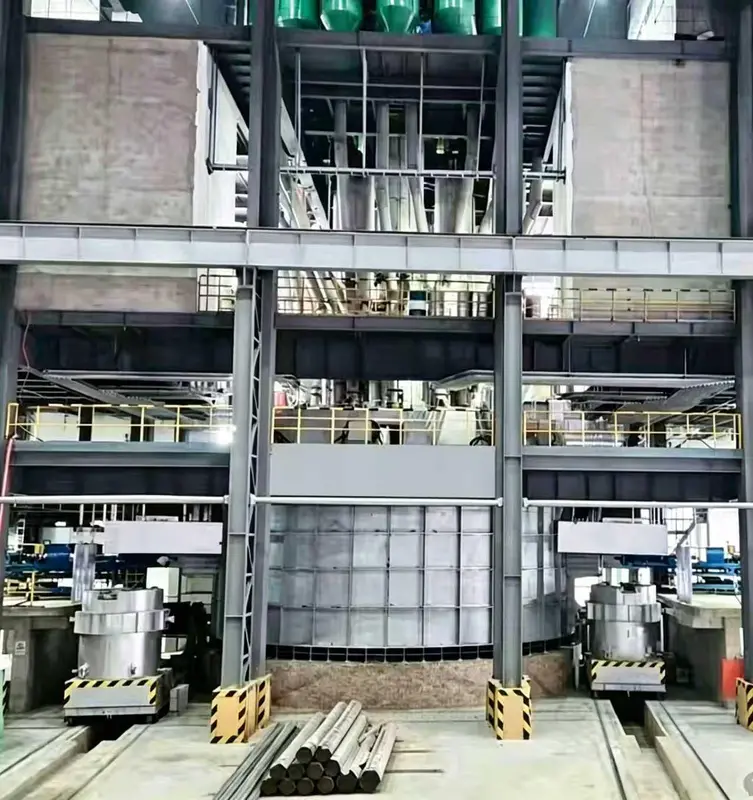
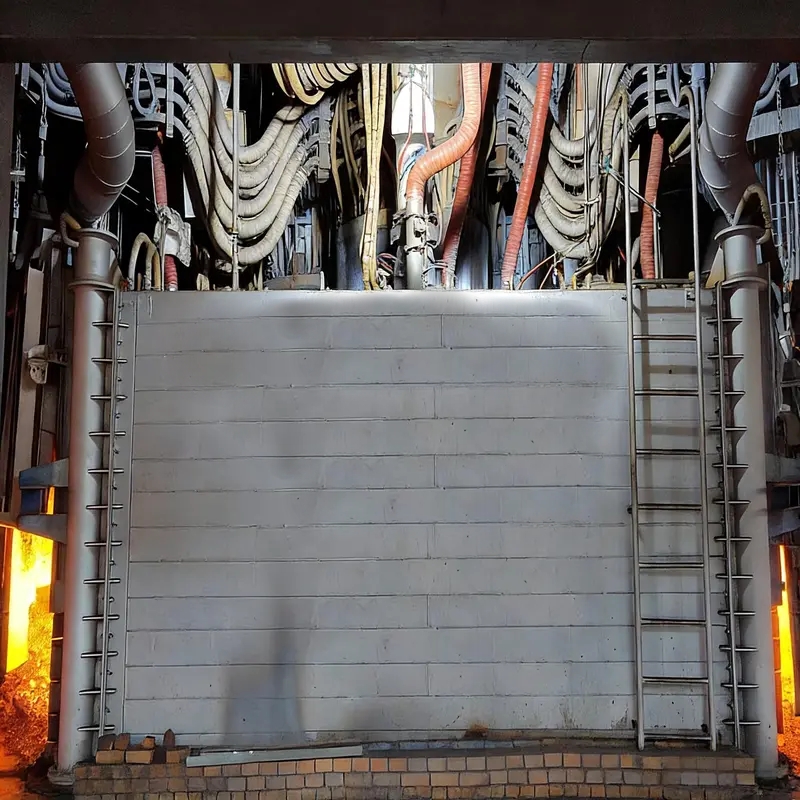
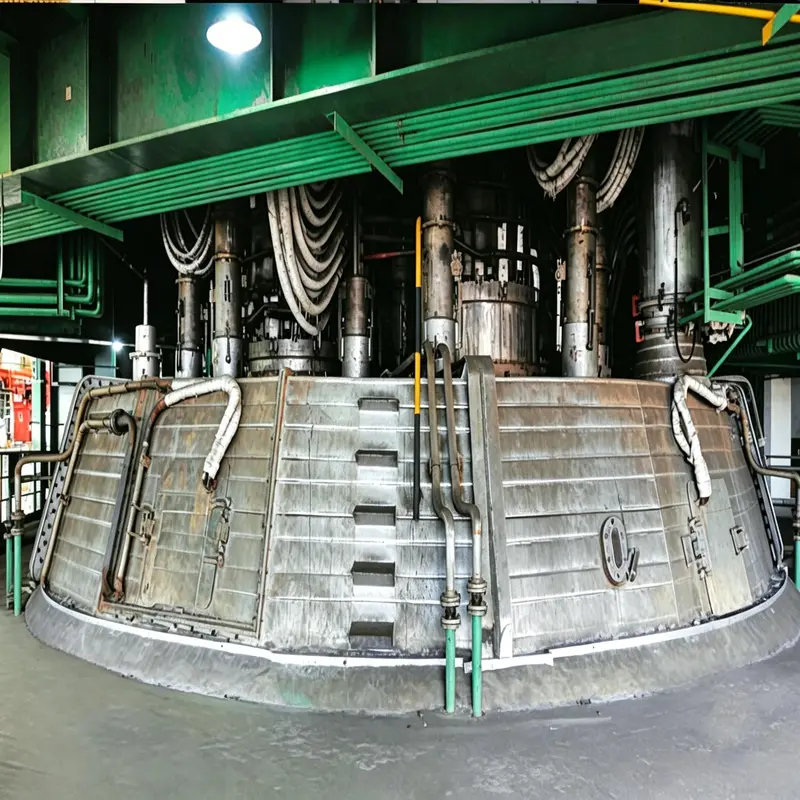
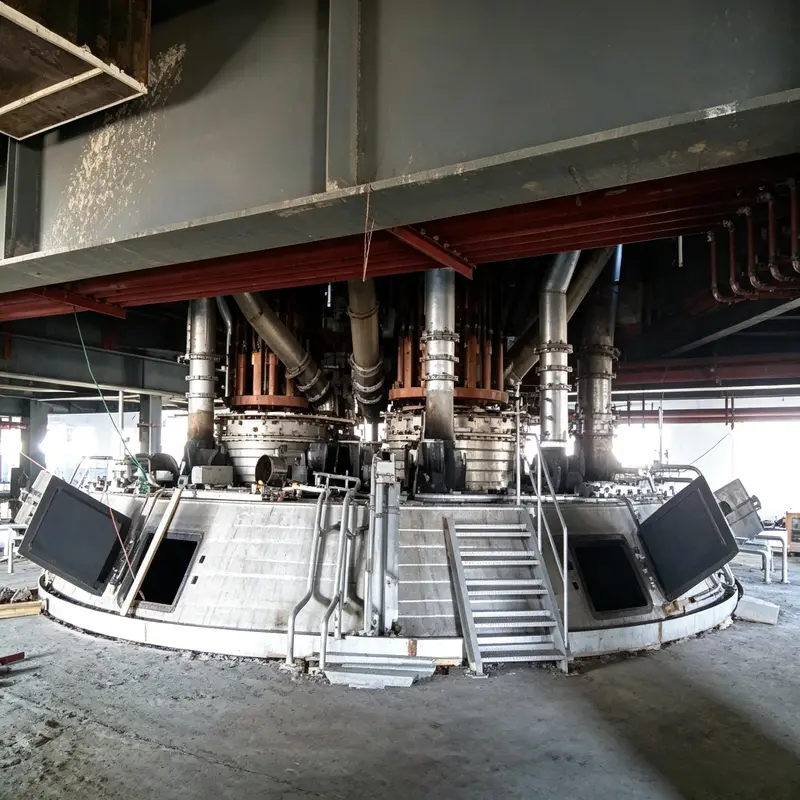
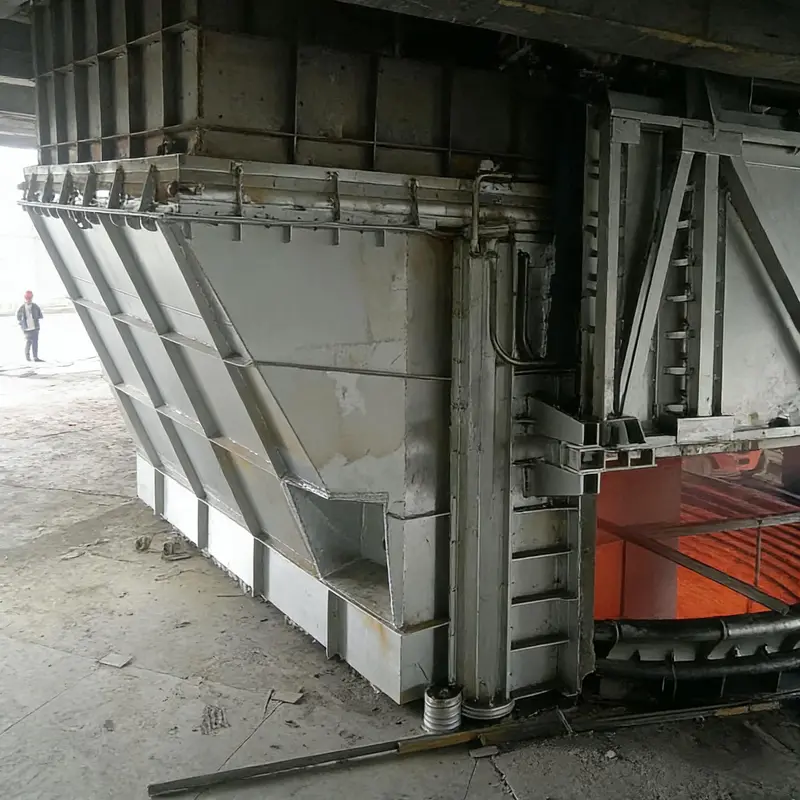
6.3 MVA to 45 MVA Ferronickel Submerged Arc Furnace
I. OverviewThe ferronickel submerged arc furnace (also known as a reduction furnace) is the core equipment specifically designed for smelting ferronickel alloy. This series covers capacities from 6.3 MVA to 45 MVA, encompassing medium, medium-large, and large ferronickel production units. Ferronickel is a key raw material for stainless steel production. The ferronickel furnace reduces nickel and iron oxides in laterite nickel ore to their metallic state using electrical energy, forming ferronickel alloy (FeNi).
This process is typically the core component of the RKEF (Rotary Kiln-Electric Furnace) process, offering advantages such as mature technology and stable product quality, and is particularly widely used in China and Southeast Asia. Large ferronickel SAF can reach 30–72 MVA.
- Capacity Range: 6.3 MVA, 12.5 MVA, 16.5 MVA, 25.5 MVA, 33 MVA, 40.5 MVA, 45 MVA
- Furnace Type: Circular or Rectangular, Fixed, Low Smoke Hood
- Application: Ferronickel Alloy Smelting
NiCrMo structural steels containing 1%–4% nickel are well-suited for the automotive, locomotive, and machinery manufacturing industries due to their favorable tensile strength-to-weight ratio. In addition to these elements, wear-resistant structural steels also contain carbon. However, the most important nickel-containing steel grades and their largest consumers are stainless and heat-resistant special steels. For example, heat-resistant stainless steels such as Cr18Ni9Ti and Cr17Ni11Mo2 exhibit good hot workability and are widely used in machinery, medical equipment, national defense, and light industry.
Nickel has a slight graphitizing effect in cast iron, stabilizing pearlite and reducing ferrite content. Therefore, nickel in cast iron contributes to achieving a uniform and integrated structure with good properties. Adding small amounts of nickel (0.1%–1.0%) leads to the formation of fine pearlite, while higher nickel content results in martensitic and austenitic structures. Fine and stable pearlite gives cast iron good machinability and hardness. Consequently, nickel-containing cast iron parts are used in automotive manufacturing.
II. Working Principle
The working principle of the ferronickel SAF is based on submerged arc smelting technology. The electrodes operate deep beneath the charge layer, with the arc covered by the charge. The arc energy and resistance heat generated by current passing through the charge heat the material together, reducing nickel and iron oxides to their metallic state at high temperatures.
Main Reduction Reactions (Simplified):
| Reaction | Equation |
|---|
| Nickel Reduction | NiO + C → Ni + CO |
| Iron Reduction | FeO + C → Fe + CO |
Reducing Agent: Coke or semi-cokeTemperature: 1450–1700°C
Core Advantages of Submerged Arc Operation:
Electrodes immersed in charge, reducing heat loss
Improves thermal efficiency
Protects furnace lining from direct arc radiation
III. RKEF Process Flow
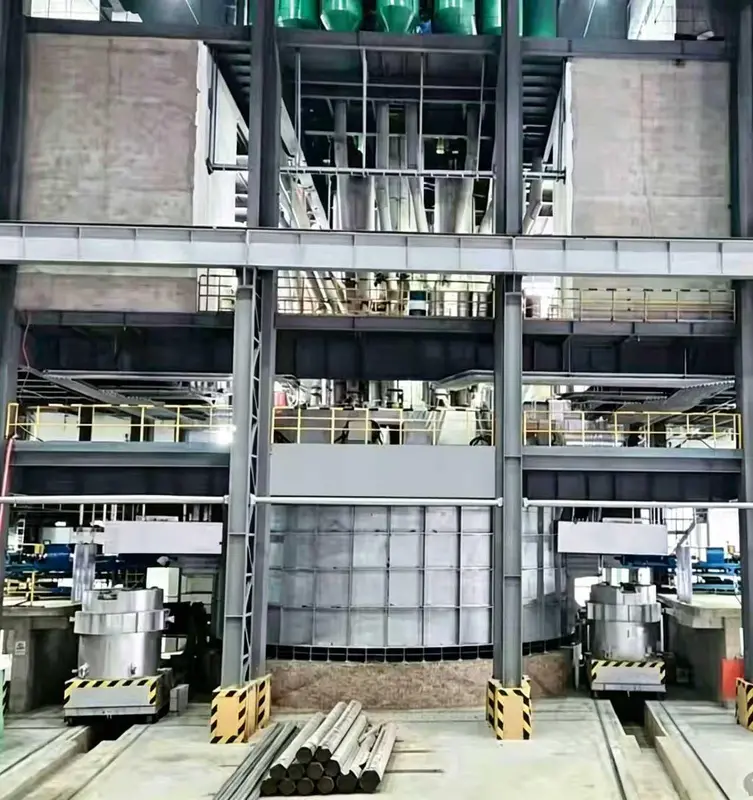
RKEF (Rotary Kiln-Electric Furnace) is currently the mainstream process technology for ferronickel production, featuring strong process adaptability and high nickel recovery rate. This process combines the ferronickel SAF with a rotary kiln to form a complete pyrometallurgical process flow.
Detailed Description of Each Stage
| Stage | Description |
|---|
| 1. Raw Material Preparation | Laterite nickel ore (limonite type, Ni 1.5–2.5%, Fe 30–50%, high MgO, SiO₂), reducing agent (coke/semi-coke), flux (limestone, dolomite, etc.) |
| 2. Drying & Pre-reduction (Rotary Kiln) | Ore is roasted in rotary kiln at 800–1000°C to remove crystal water, with partial pre-reduction of Fe/Ni oxides. The produced "hot calcine" is directly fed hot into the SAF, achieving significant energy savings |
| 3. Smelting & Reduction (SAF) | Hot calcine + reducing agent + flux are added to the ferronickel furnace. Deep reduction is achieved under a strong reducing atmosphere, producing lower layer ferronickel alloy and upper layer slag |
| 4. Iron Tapping & Refining | Iron is tapped periodically. The molten ferronickel can be cast into ingots or sent to a refining furnace (such as AOD) for desulfurization and composition adjustment. Slag is water-quenched or used in building materials |
IV. Equipment Characteristics
The ferronickel SAF has the following notable characteristics:
| Characteristic | Description |
|---|
| Furnace Type | Cylindrical fixed type, low smoke hood structure, micro-positive pressure operation, automatic furnace pressure adjustment |
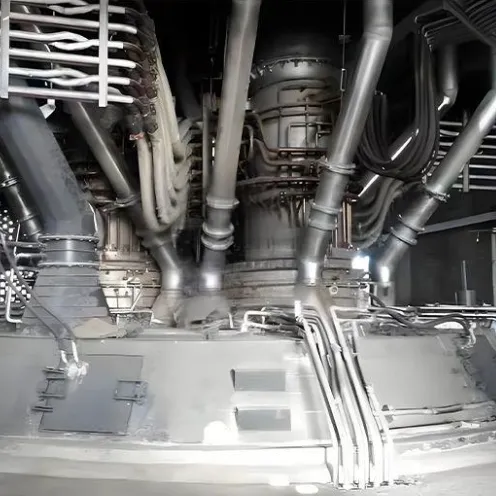
| Electrode System | Self-baking electrode (Søderberg), electrode lifting uses hydraulic manual and computer-controlled automatic lifting, cone ring clamping, hydraulic cylinder release for conductive plates, two sets of friction rings and lifting cylinders for automatic fixed-length pressing and release |
| Short Network System | Uses water-cooled compensator, water-cooled copper pipe, water-cooled cable, and water-cooled conductive plate, energy-saving short network structure with outer triangle arrangement, ensuring three-phase balance and minimum impedance value |
| Charging Method | Full automatic feeding, multi-point feeding in furnace, continuous feeding, continuous smelting, automatic matching |
| Furnace Bottom Cooling | Natural air cooling |
| Safety Guard | Circulating water cooling, high-level backup water system to prevent damage from sudden power outages, over-temperature automatic alarm system |
V. Technical Advantages
The ferronickel SAF has the following technical advantages compared to other smelting methods:
| Advantage | Description |
|---|
| Wide Raw Material Adaptability | Can handle magnesia-silicate ores, limonite-type nickel oxide ores with iron content up to 30%, and intermediate ores. Most suitable for high-magnesium, low-iron nickel oxide ores that are difficult to process using wet processes |
| High-Grade Ferronickel | For the same ore, the RKEF process produces higher-grade ferronickel than other processes, with low harmful element content |
| Environmentally Friendly & Energy Saving | Entire process is fully enclosed; roasted sand is fed hot into furnace at temperatures exceeding 800°C, saving significant physical and chemical heat compared to cold charge, significantly reducing electricity and reducing agent consumption; waste heat can be recovered for power generation |
| Solid Waste Recycling | SAF gas is dedusted and fed to rotary kiln as fuel; slag is quenched and used as construction material |
| Full Process Automation | Computer automatic control from batching, feeding, charging to smelting and iron tapping |
VI. Applications
Ferronickel SAF is widely used in the following fields:
| Application | Description |
|---|
| Stainless Steel Production | Ferronickel is a key raw material for stainless steel production, especially 300 series stainless steel |
| Special Steel Production | Used in production of alloy steel, high-temperature alloys and other high-quality steel grades |
| Ferronickel Alloy Manufacturing | Direct production of ferronickel alloy containing 10-30% nickel |
VII. Selection Recommendations
| Factor | Recommendation |
|---|
| Raw Material Conditions | Laterite nickel ore Ni ≥ 1.8%, Fe 30–50%, MgO ≤ 25%, moisture < 30% |
| Output Requirement | For annual output below 50,000 tons, choose 6.3-16.5 MVA; for 50,000-100,000 tons, choose 25.5-33 MVA; for above 100,000 tons, choose 40.5-45 MVA |
| Power Conditions | Limited grid capacity or high electricity cost → DC SAF; good grid conditions → AC SAF |
| Automation Requirement | Adopt DCS control system to achieve full-process automatic control of batching, feeding, charging, electrode slipping, power regulation, furnace pressure control, etc. |
| Environmental Requirement | Use dry baghouse dust collection technology, gas recovery and utilization, slag comprehensive utilization to achieve clean production |
| Investment Budget | Limited budget → standard AC configuration; sufficient budget → DC configuration or advanced AC configuration
Table – Grades and Chemical Composition of Ferronickel and Metallic Nickel
|
| Name | Grade | Chemical Composition / % |
|---|
| | | | Co | C | Si | P | S | Cr |
| | | Ni+Co | ≤ |
| Ferronickel | FeNi25 | 20.0-30.0 | 1.0 | 0.03 | 0.05 | 0.03 | 0.04 | 0.1 |
| Ferronickel | FeNi55 | 50.0-60.0 | 1.0 | 0.05 | 1.0 | 0.03 | 0.01 | 0.05 |
| Carbon-containing ferronickel | FeNi25C | 20.0-30.0 | 1.0 | 2.0 | 4.0 | 0.04 | 0.04 | 2.0 |
| Sulfur-containing ferronickel | FeNi25CS | 20.0-30.0 | 1.0 | 2.0 | 4.0 | 0.04 | 0.04 | 2.0 |
Nickel-iron alloys with low iron content, containing chromium, cobalt, and molybdenum, are generally referred to as Hastelloy corrosion-resistant nickel-based alloys when used as high-temperature alloys. Their tensile strength at 923°C reaches up to 233.24 MPa. Iron-nickel alloys containing 30%–90% nickel exhibit high magnetic permeability, making them suitable for the electrical and electronic industries—for example, the Climax alloy containing 30% nickel and 70% iron. An alloy composed of 80% nickel, 14% chromium, and 6% iron is a special corrosion-resistant spring material used in dental applications. Nickel is also used in coinage and in the battery industry.