Product Description
12.5 MVA to 63 MVA Calcium Carbide Submerged Arc Furnace
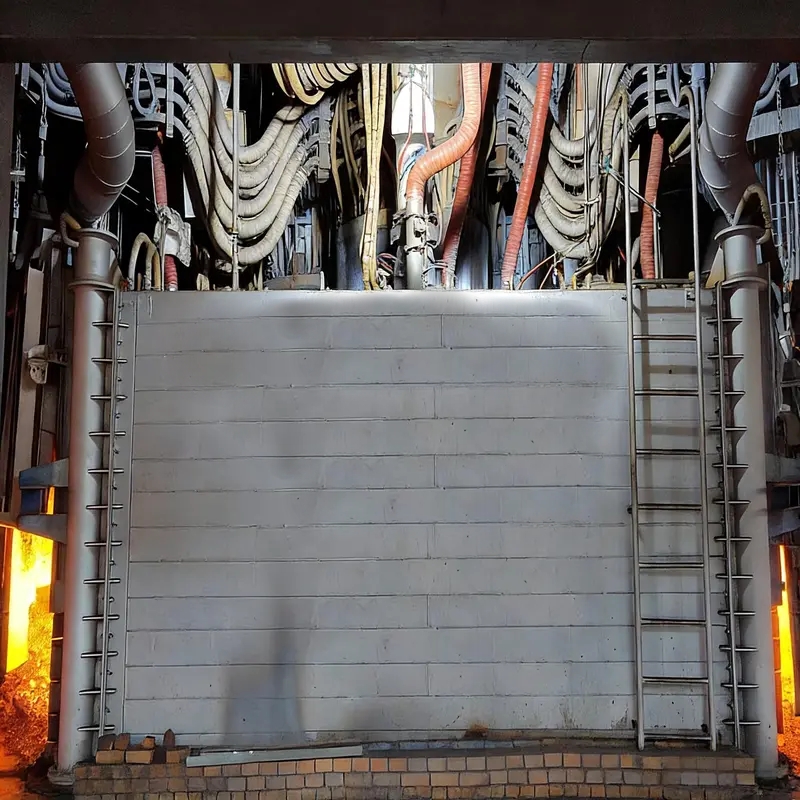
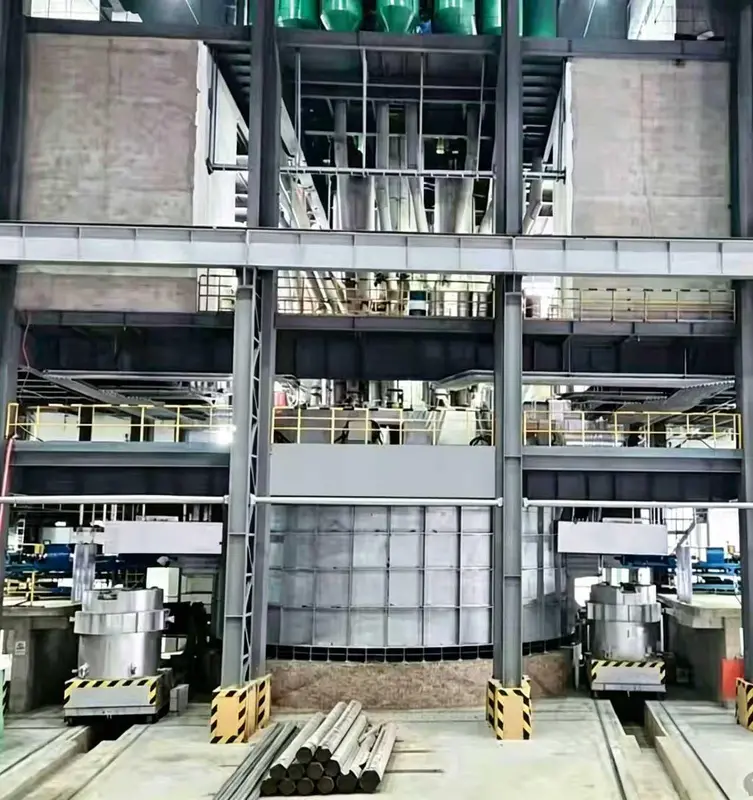
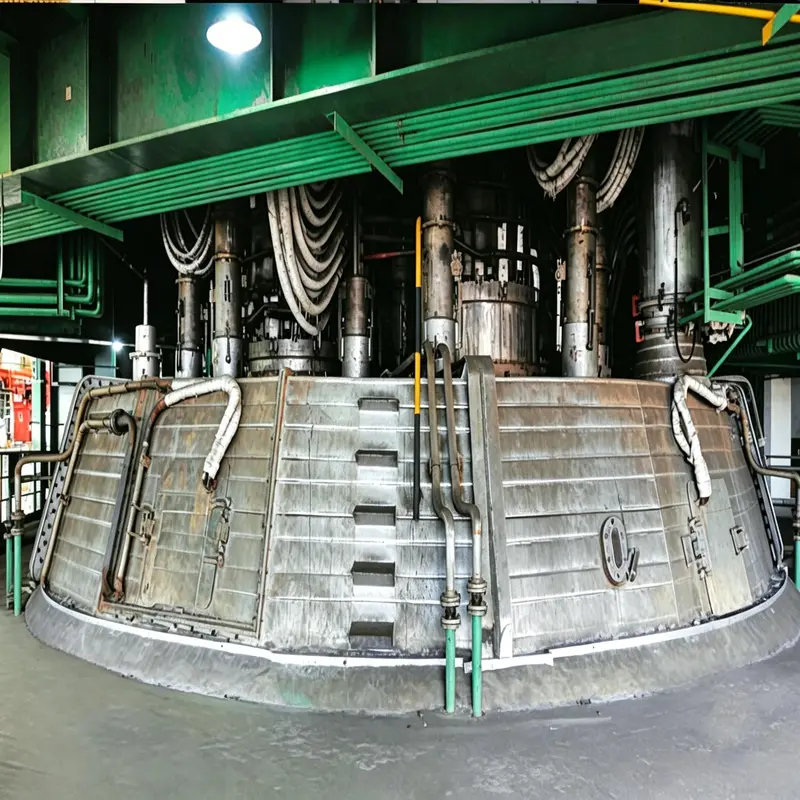
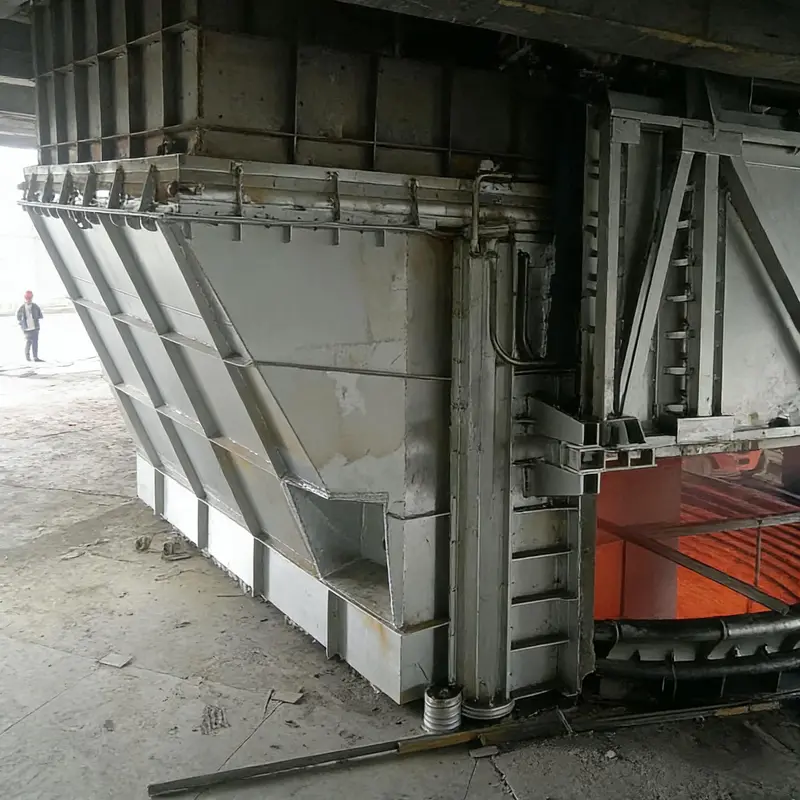
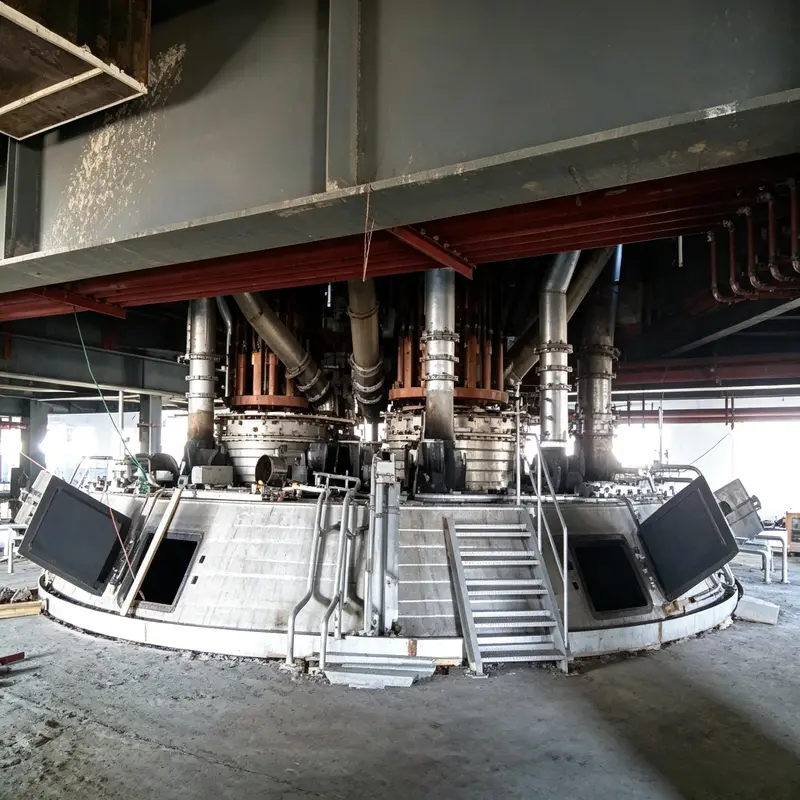
The calcium carbide submerged arc furnace (also known as a reduction furnace) is the core equipment for producing calcium carbide. This series covers capacities from 12.5 MVA to 63 MVA, encompassing medium-large, large, and ultra-large calcium carbide production units. These furnaces generally adopt a fully sealed design, achieving the modern production requirements of energy saving, environmental protection, high quality, and high output. In addition, the 12.5 MVA to 63 MVA series equipment is widely used as auxiliary equipment for large-scale ferrosilicon, calcium carbide, refining, and smelting furnaces.
- Capacity Range: 12.5 MVA, 25 MVA, 33 MVA, 40.5 MVA, 63 MVA
- Furnace Type: Full Sealed Cylindrical Type
- Application: Calcium Carbide Smelting
I. Definition and Applications
A calcium carbide furnace is a high-temperature reduction electric furnace primarily used for the production of calcium carbide (CaC₂). The chemical reaction is: CaO + 3C → CaC₂ + CO, with reaction temperatures reaching above 2000°C. The resulting calcium carbide is widely used in the chemical industry, metallurgy, organic synthesis, and other fields.
II. Types and Structure
Calcium carbide furnaces are classified into three types based on the degree of enclosure: open furnaces, semi-closed furnaces, and closed furnaces. They mainly consist of six major systems:
- Furnace Body: The core reaction vessel, circular or elliptical in shape, lined with refractory materials to withstand high temperatures.
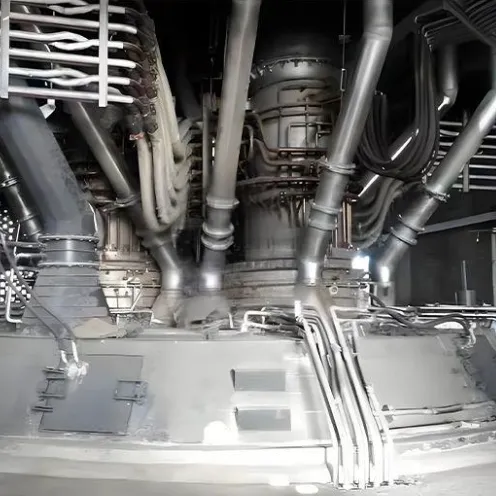
- Electrode System: Includes electrode columns, holders, and lifting devices, which control the reaction temperature by adjusting the electrode depth.
- Charging Device: Raw material bins, belt conveyors, and vibrating feeders for continuous supply of limestone and carbon materials.
- Cooling System: Comprises circulating water cooling and inter-cooling systems to ensure the safety of the furnace body and electrodes.
- Control System: An intelligent electrical control system maintains three-phase electrical balance and monitors process parameters.
- Safety Monitoring System: A gas analysis system prevents carbon monoxide leakage and explosion risks.
- III. Production Process
The production process of a calcium carbide furnace mainly includes:
- Raw Material Preparation: Lime and carbon materials (coke, semi-coke, etc.) with strict control over particle size and moisture content.
- Batching and Charging: Mixed according to a set ratio and continuously added into the furnace around the electrodes through bins.
- High-Temperature Reaction: The arc and resistance heat in the furnace cause the lime and carbon to react, producing liquid calcium carbide while releasing carbon monoxide.
- Tapping and Cooling: Molten calcium carbide flows into calcium carbide ladles through the tapping spout, then is cooled, crushed, graded, and packaged.
The furnace charge ratio, as well as the ash and moisture content of carbon materials, significantly affect power consumption and operational stability. For example, each 1% increase in coke ash content can increase calcium carbide power consumption by 50–60 kWh/t.
IV. Key Technologies and Advanced Design
To address issues such as outdated technology and unreasonable process parameters in traditional sealed furnaces, modern large calcium carbide furnaces have undergone several technological improvements. Taking the 40.5 MVA sealed calcium carbide furnace as an example, its key technologies include:
Combined Electrode Holder Technology: Improves the reliability and conductivity of electrode slipping, makes secondary current distribution more uniform, reduces current density, and increases the utilization rate of electrical energy input into the furnace.
Three-Phase Equal-Length Short Network Design: By optimizing the short network layout, the three-phase conductive circuits are made equal in length, improving the power factor and increasing furnace output.
High-Temperature Resistant Sealed Roof Technology: Uses a split water-cooled roof and high-temperature resistant sealing materials, achieving excellent sealing, reducing heat loss, and improving working conditions in the smelting zone.
Ring Feeder Technology: Achieves continuous and uniform distribution of furnace charge, and the external cylinder design extends equipment service life and ensures more stable operation.
Dry Purification & Waste Heat Recovery: Uses efficient cooling devices to lower the temperature of high-temperature flue gas before it enters the bag filter; the purified CO gas can be recovered as fuel, and the dust can be used as cement raw material.
Full Process Automation Control: Except for the tapping system which requires manual operation, all systems are controlled by computers, increasing the furnace load and operating rate.
V. Selection Recommendations
| Factor | Recommendation |
|---|
| Raw Material Conditions | Prioritize high-grade limestone (CaO > 92%) and low-ash carbon raw materials (fixed carbon > 84%). Sealed furnaces have higher requirements for raw materials; strict quality inspection is needed before commissioning. |
| Power Consumption Target | Comprehensive energy consumption per ton of calcium carbide should be < 1.20 tce/t. The 63 MVA furnace type can achieve < 1.20 tce/t. |
| Output Requirement | For annual output below 80,000 tons, choose 25-33 MVA; for 80,000-100,000 tons, choose 40.5 MVA; for above 100,000 tons, choose 63 MVA. |
| Automation Requirement | Adopt DCS control system to achieve full-process automatic control of batching, feeding, charging, electrode slipping, power regulation, furnace pressure control, etc., and equip with a gas analysis system for safety monitoring. |
| Dust Collection & Environmental Protection | Use dry baghouse dust collection technology with efficiency ≥ 99.9% and outlet emission concentration ≤ 30 mg/m³ to achieve clean production. Furnace pressure should be stabilized within ±20 Pa. |